Introduction to Raków's Supporter Culture
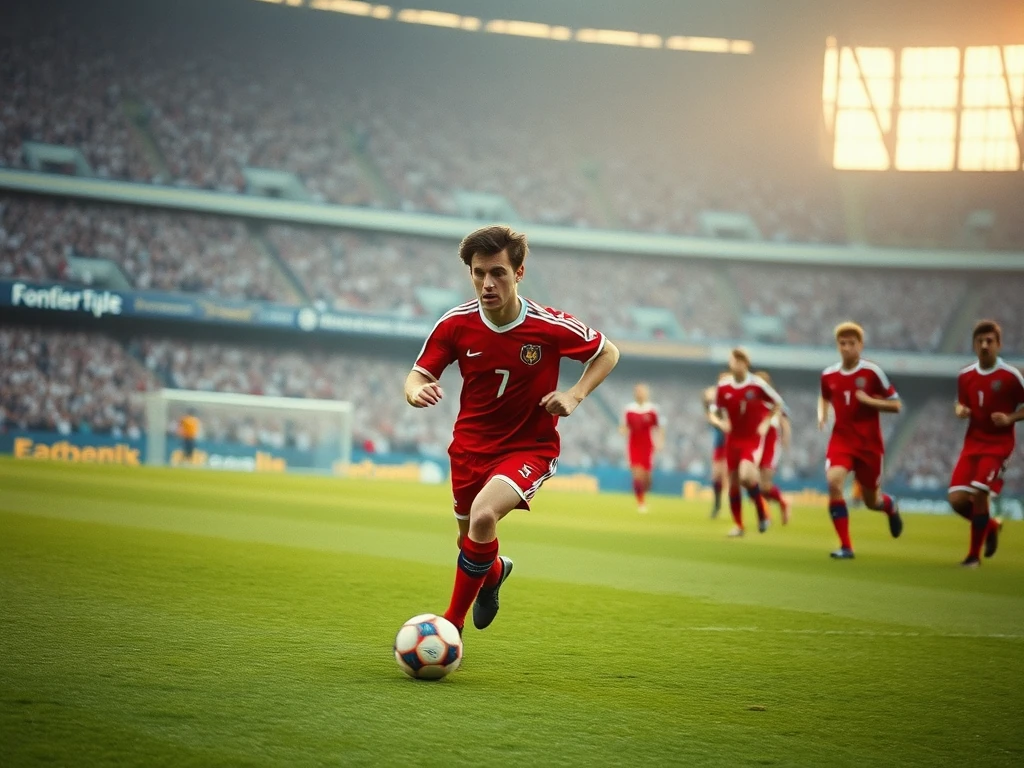
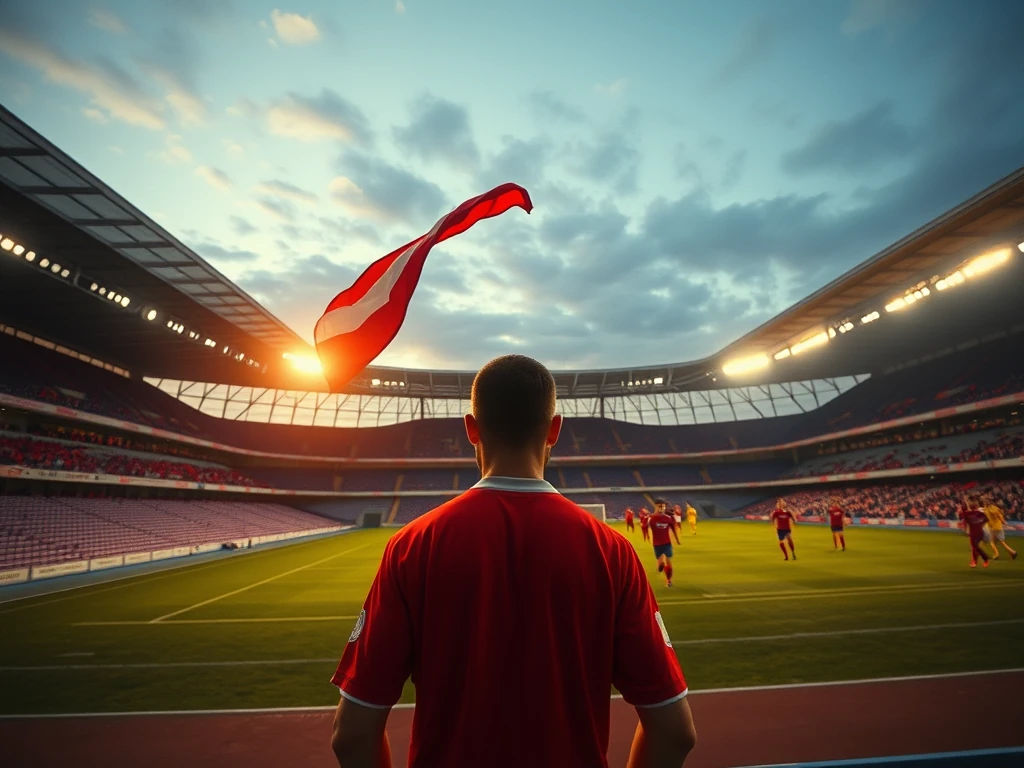
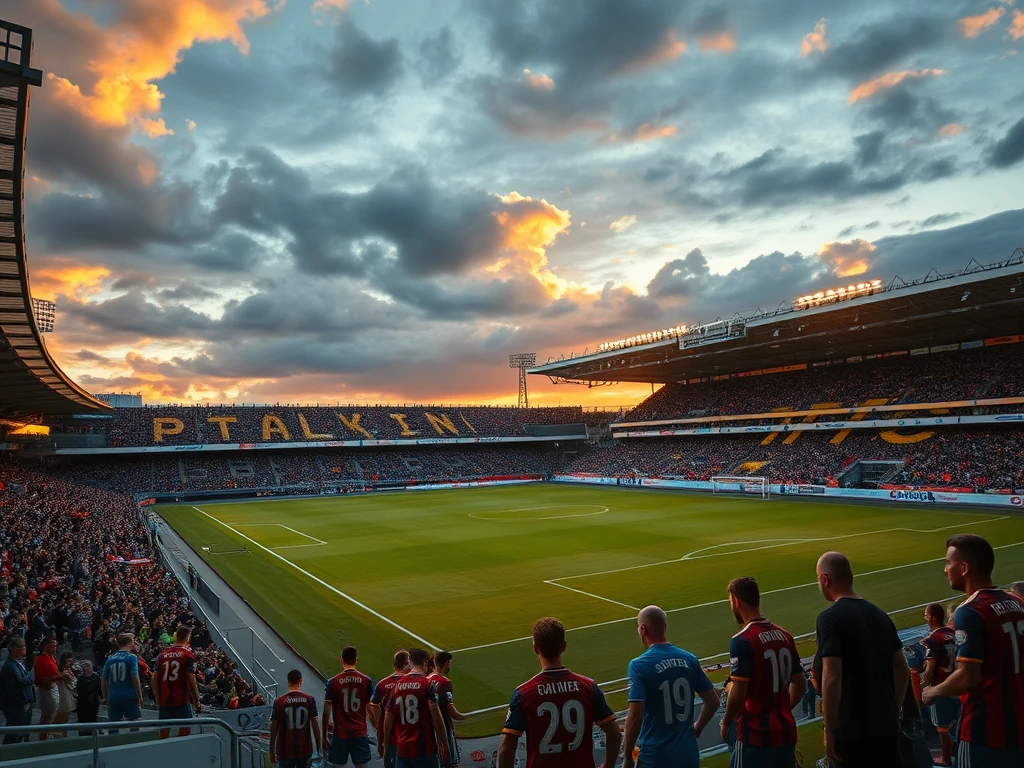
When thinking of Raków Częstochowa, one of the first images that comes to mind is the stadium filled with red and blue colors and the loud chants of its fans. The supporters, who call themselves Czerwono-Niebiescy, not only back their team but also nurture rich traditions that define their culture. Particularly during derby matches against Górnik Zabrze, the atmosphere becomes incredibly intense, and the supporter rituals reach their peak.
Pre-Match Rituals
Before every match, especially against Górnik, fans gather around the stadium to collectively experience the joyous anticipation. At this time, the streets of Czestochowa resonate with loud songs, echoing far beyond the stadium walls. The communal march to the match is not just a tradition but a way to unite the community. It’s worth noting that many of these songs have roots in the club's history and are passed down from generation to generation.
The Derby Against Górnik: Emotions and Tension
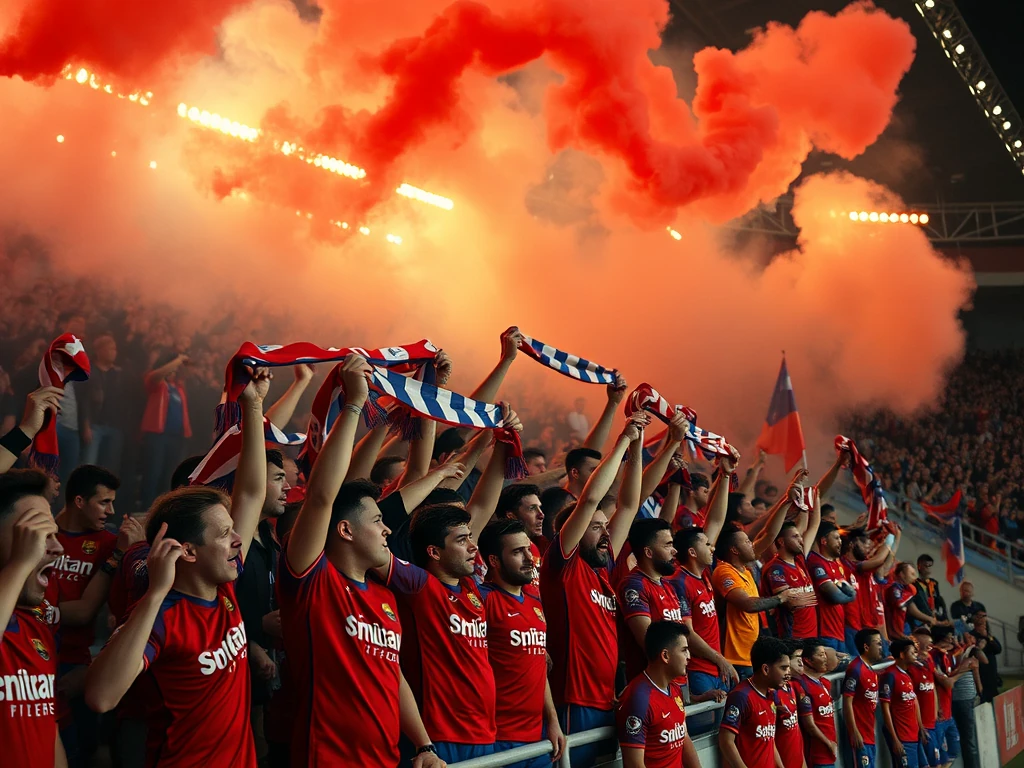
Matches against Górnik Zabrze are a true fan festival. In the days leading up to the derby, the city buzzes with growing tension. Supporters organize various events, from gatherings in local pubs to marches towards the stadium. At the stadium, the atmosphere is electrifying - during the players’ warm-up, one can see flags, banners, and light displays that together create an incredible spectacle.
In-Stadium Rituals
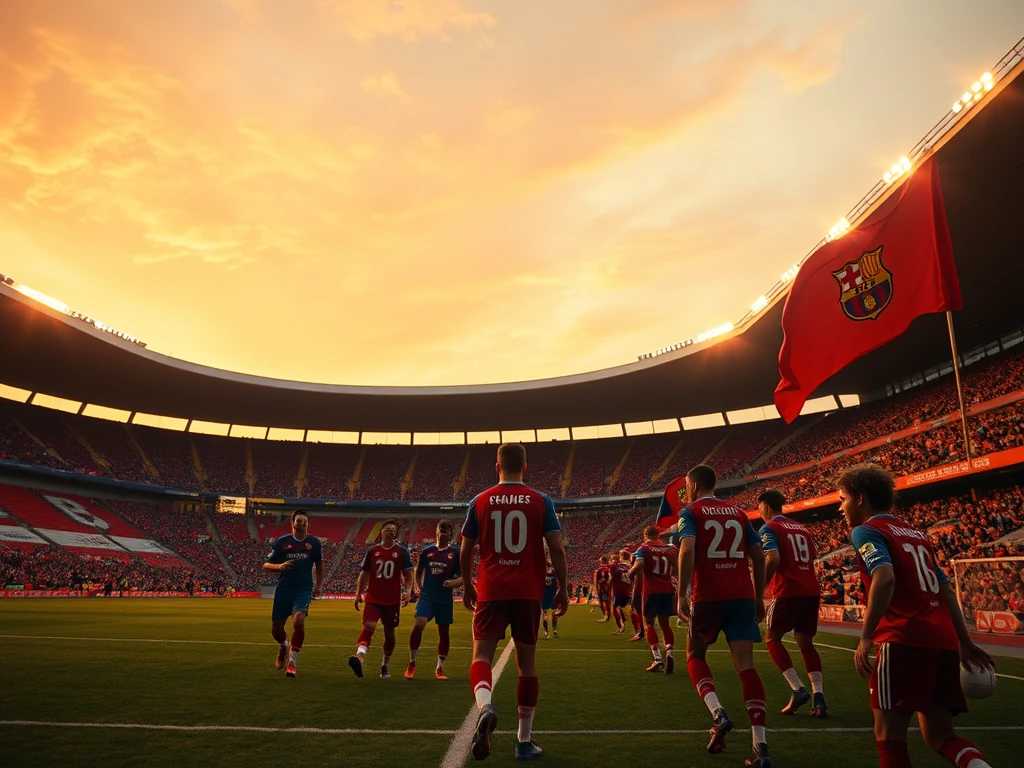
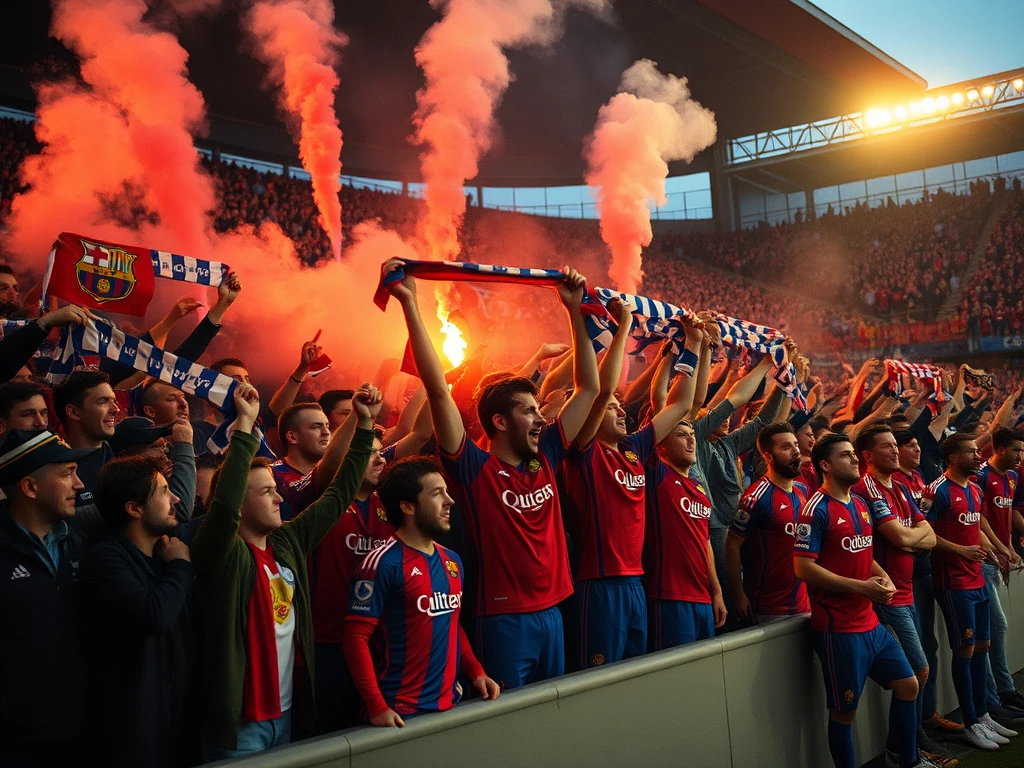
As the players step onto the pitch, Raków fans begin their rituals. A key moment is the collective singing of the club anthem, which sets the right mood for everyone. The rhythmic beats of drums and the loud chanting of the team's name echo throughout the stadium. Importantly, during derbies, visual displays such as flares and pyrotechnics add even greater intensity, underscoring the fans' commitment.
Post-Match: Joint Celebrations or Consolation
Regardless of the outcome, after the match, Raków fans gather to share their emotions. If the team wins, the joy is indescribable - collective singing, dancing, and celebrations become the norm. In the event of a loss, fans do not abandon their team, providing support during tough times. This loyalty and community that unites Raków supporters is invaluable.
Conclusion
The fans of Raków Częstochowa bring something unique to the football culture in Poland. Their rituals, traditions, and unforgettable atmosphere during derbies against Górnik Zabrze turn every match into not just a sporting rivalry, but a celebration for the entire community. It is thanks to them that Raków is not just a football club, but a true family.